
The role of the CMO is being renegotiated. For a long time, the Chief Marketing Officer was seen as a company’s chief communicator: in charge of campaigns, brand presence and media. That description is not wrong, but it falls short. In 2026, a CMO is judged above all on whether they can explain and own growth, and whether their organisation keeps pace with data and AI.
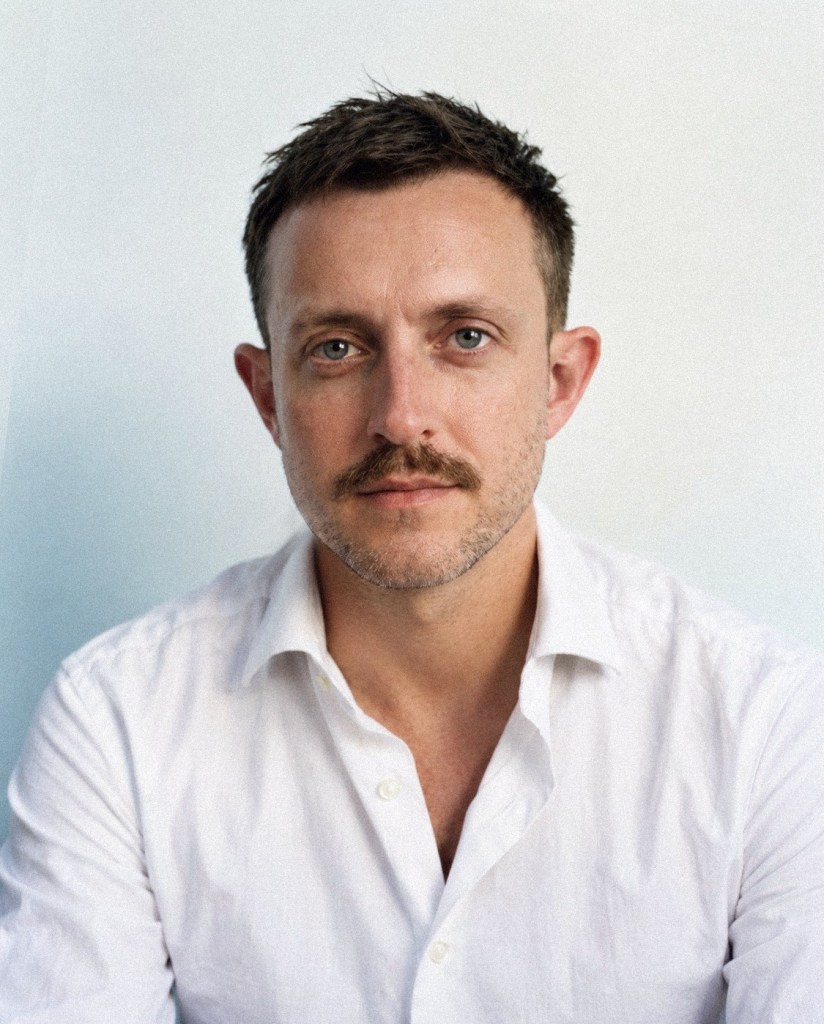
I write this from practice. Today I lead a marketing team of 22 people across 21 markets, and before that I was responsible for three departments with 37 people in total at a department store. The most important conversations are less and less about the next campaign and more and more about what marketing contributes to the business.
- The role of the CMO is shifting from communication to accountability for growth.
- A CMO has to translate the brand into the language of finance.
- The organisation matters more than the individual talent: it has to work with data and AI.
- What decides everything is a clear mandate for customer and growth.
Table of contents
How the role of the CMO has shifted
The division of labour used to be simple. Sales owned revenue, marketing owned perception. With the growth of digital channels, that separation has disappeared. Today almost every marketing decision can be traced back to demand, margin or customer value, and the leadership team expects exactly that link.
McKinsey reports that only a minority of CMOs say their company has a clearly defined view of the return on marketing. At the same time, companies grow faster when a single leadership role is responsible for customer and growth (see here: McKinsey, The CMO’s comeback).
For me, that is the core: the role of the CMO is strong where the mandate is clear. Where customer, brand and growth are spread across several roles, a CMO spends a lot of time negotiating responsibilities. I have written about how this shapes the relationship with the chief executive in CMO and CEO.
Owning growth instead of managing communication
A CMO today thinks like a general manager for the customer. They know which customer groups carry growth, through which channels they arrive and what it costs to keep them. They can explain why a euro invested in brand building makes sense today, even if it only pays off in two years.
That does not mean creative work matters less. Quite the opposite: the more interchangeable the channels become, the more depends on an idea people recognise. But the CMO has to hold both together, the idea and the numbers behind it. That is why planning and defending a marketing budget is as much part of the role as judging a campaign.
Translating the brand into an asset
The hardest translation sits between brand and finance. A strong brand lowers the cost of winning new customers, supports higher prices and makes a company less dependent on discounts. That effect is real, but it shows up slowly and rarely in a single metric.
A good CMO therefore builds a small set of metrics together with the CFO that both accept. Not twenty values, but a few that stay stable over years. Only then does brand work move from a cost line to an investment that can be discussed calmly. This translation is now a fixed part of the role of the CMO.
Building an organisation that can work with AI
The third shift concerns the organisation. AI is changing how content is made, how data is analysed and how campaigns are steered. A CMO does not need to be a technologist. But they do need to decide which work their team will keep doing, which work machines take over and where human judgement remains essential. That decision has become part of the role of the CMO.
In my experience, this is decided less by tools than by workflows. Whoever reorganises briefing, approval and measurement gains time for the work that sets a brand apart. More on this in AI strategy for the marketing department.
What I would do differently
I would talk about the mandate earlier. Many conversations about a CMO position revolve around experience, industries and campaigns. Far too rarely do they cover what the role is actually allowed to decide. That question belongs at the beginning, not at the end. How different two similar titles can be is shown by the question CMO or CBO.
What remains open for me is how much technical understanding a CMO will need to bring personally. I believe judgement will stay more important than detailed knowledge. But the line is moving, and I am watching it closely.